



Wardrobe Interior Design Ideas for UAE Homes

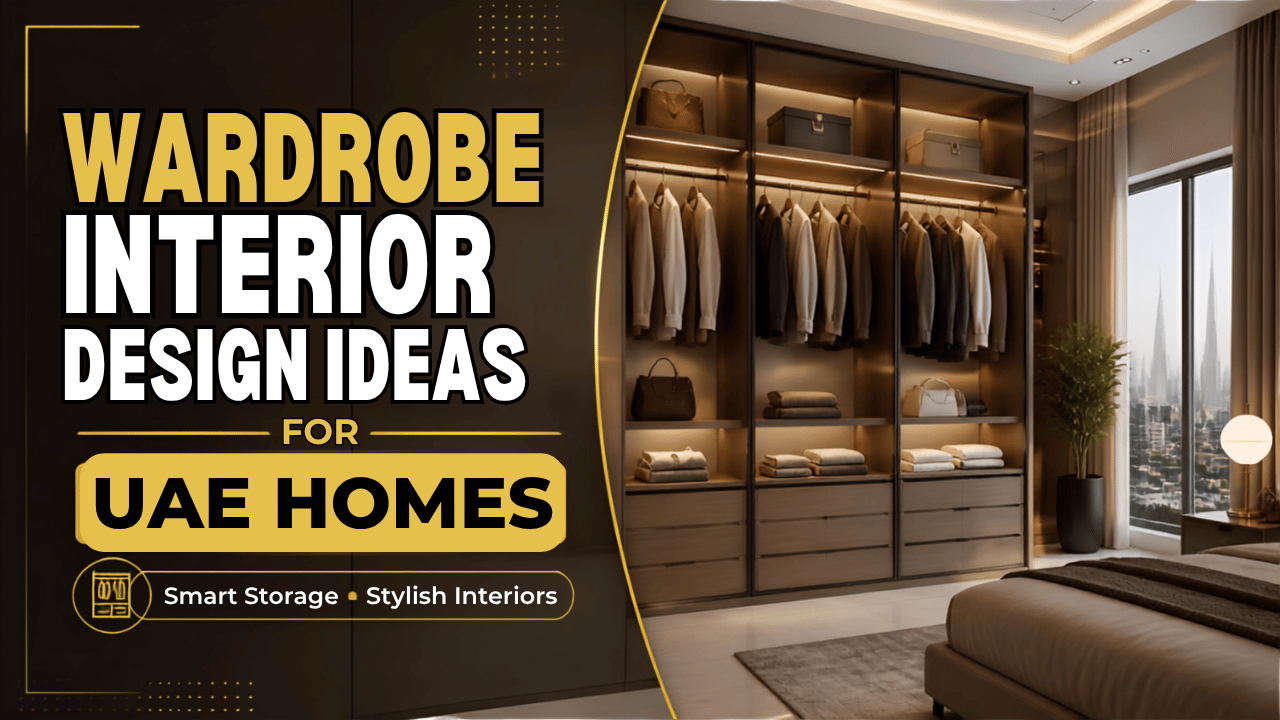
Wardrobe Interior Design Ideas for UAE Homes
A well-organised wardrobe is more than just a storage unit; it is a fundamental part of a calm and functional home. In the UAE, where diverse lifestyles meet unique climate challenges, thoughtful wardrobe interior design is essential. Whether you live in a compact apartment in Dubai or a spacious villa in Abu Dhabi, optimising your wardrobe space can significantly enhance your daily routine and protect your garments.
Understanding Your Needs and Space in the UAE
Before diving into specific layouts, it is crucial to assess your personal requirements and the characteristics of your living space. The UAE climate, home types, and individual wardrobes all play a role in shaping the ideal design.
Assessing Your Lifestyle and Wardrobe Contents
Consider what you typically wear. Do you have a large collection of formal wear, traditional attire like abayas and kanduras, or mostly casual clothing? Do you need extensive space for shoes, handbags, or accessories? A professional’s wardrobe will differ significantly from that of someone working from home. Think about seasonal clothing too; while the UAE doesn’t have extreme winters, some items might be worn less frequently and require dedicated storage.
Navigating UAE Home Types: Apartments vs. Villas
The type of home you reside in will dictate the scale and style of your wardrobe. Apartments often require clever space-saving solutions, such as wardrobes built-in wardrobes that seamlessly integrate into existing walls. Villas, on the other hand, might offer the luxury of a dedicated walk-in closet or a larger built-in system. Understanding these constraints and opportunities is the first step.
| Wardrobe Type | Pros | Cons | Ideal For |
|---|---|---|---|
| Built-in Wardrobe | Seamless integration, maximises space, customisable to exact dimensions. Offers a clean, flush look. | Permanent fixture, less flexible for relocation. Installation can be more involved. | New builds, homeowners, maximising space in apartments or specific room alcoves. |
| Walk-in Wardrobe | Luxurious, extensive storage capacity, provides a dedicated dressing area. Allows for comprehensive organisation. | Requires significant dedicated room space, generally higher cost due to size and features. | Large villas, homes with spare rooms, individuals with extensive clothing and accessory collections. |
| Freestanding Wardrobe | Portable, easier to move if relocating, can be a design statement piece. Often quicker to acquire. | Less efficient use of space compared to built-ins, can look bulky in smaller rooms. Gaps around the unit collect dust. | Renters, smaller rooms where built-ins aren’t feasible, temporary solutions, or as an accent piece. |
Climate Considerations: Humidity and Dust
The UAE’s high humidity, especially during summer months, can be detrimental to clothing and materials. Wardrobe designs should incorporate good ventilation and, where possible, sealed doors to protect against moisture and dust. Using moisture absorbers inside the wardrobe can also be beneficial. Materials that are resistant to warping or degradation from humidity should be prioritised.
Essential Wardrobe Components and Their Placement
A functional wardrobe is built upon a balanced combination of hanging space, shelving, and drawers. Each serves a specific purpose in keeping your belongings organised and accessible.
Hanging Space: Short, Medium, and Long
- Short Hanging (approx. 90-100 cm height): Ideal for shirts, blouses, folded trousers, skirts, and jackets. This is often the most used section.
- Medium Hanging (approx. 120-140 cm height): Suitable for longer jackets, shorter dresses, and longer shirts.
- Long Hanging (approx. 150-180 cm height): Essential for dresses, abayas, kanduras, and full-length coats. Ensure this section is wide enough for multiple items without crushing them.
Consider double hanging rails for short items to maximise vertical space.
Shelving: Fixed vs. Adjustable
Shelves are perfect for folded items like sweaters, jeans, t-shirts, and linen. Adjustable shelves offer flexibility, allowing you to reconfigure your wardrobe as your needs change. Fixed shelves are sturdier for heavier items or built-in sections. Ensure shelves are deep enough to hold folded clothes without them spilling over, typically 30-40 cm deep.
Drawers and Baskets: Organising Smaller Items
Drawers are invaluable for smaller items that tend to get lost on shelves. Think about underwear, socks, scarves, ties, and jewellery. Clear fronts or labelled drawers can help with quick identification. Baskets, either pull-out or fixed, are excellent for bulkier items like gym wear, pyjamas, or even storing seasonal blankets.
Specialised Accessories: Keeping Everything Tidy
- Shoe Racks/Shelves: Keep shoes off the floor and in good condition. Consider pull-out racks or slanted shelves.
- Tie and Belt Racks: Small, pull-out accessories that keep these items neat and wrinkle-free.
- Jewellery Trays: Felt-lined drawers with compartments protect delicate items.
- Laundry Hampers: Integrated hampers keep dirty clothes out of sight.
- Pull-out Mirrors: A full-length mirror can be integrated into the wardrobe door or as a pull-out feature.
Practical Wardrobe Layout Strategies
Once you understand the components, the next step is to arrange them effectively within your available space.
The “Zone” Approach for Optimal Organisation
Divide your wardrobe into functional zones based on how you use it:
- Daily Wear Zone: Easily accessible section for clothes you wear most often.
- Formal/Special Occasion Zone: Dedicated area for less frequently worn, delicate items.
- Accessory Zone: Group all accessories like bags, shoes, and jewellery together.
- Seasonal/Infrequent Use Zone: Higher shelves or deeper drawers for items not currently in use.
This approach ensures that your most needed items are always within reach, streamlining your morning routine.
Maximising Vertical Space
In many UAE homes, especially apartments, vertical space is a premium. Use every inch from floor to ceiling. Double hanging rails, tall shelving units, and pull-down rods for high-up items can significantly increase storage capacity. Consider custom solutions that fit your ceiling height precisely.
Lighting and Ventilation
Good lighting inside your wardrobe makes it easier to find items and ensures you select the correct colours. LED strip lights, activated by motion sensors, are energy-efficient and practical. Adequate ventilation is also crucial in the UAE to prevent mustiness and protect fabrics from humidity damage. Ensure there is some airflow, especially in larger walk-in closets.
Materials and Finishes for UAE Conditions
The choice of materials is not just about aesthetics; it is about durability and suitability for the local climate.
Durability Against Humidity
Opt for high-quality, moisture-resistant materials such as treated MDF, plywood with good veneers, or solid wood that has been properly sealed. Laminates and melamine finishes are also popular due to their durability and ease of cleaning. Avoid porous materials that can absorb moisture and potentially warp or grow mould.
Aesthetic Choices
For a premium look, consider finishes like high-gloss lacquer, matte laminates, or natural wood veneers. Mirrored doors can make a small room feel larger, a common benefit in UAE apartments. Darker woods can add a sense of luxury, while lighter finishes can brighten a space. Ensure the finish complements your existing interior decor.
Planning Your Custom Wardrobe: A Checklist
Use this checklist to guide your custom wardrobe planning process:
- Assess Your Inventory: Categorise your clothes, shoes, and accessories.
- Measure Your Space: Accurately note the height, width, and depth available for your wardrobe.
- Consider Door Types: Sliding doors save space in smaller rooms; hinged doors offer full access.
- Map Out Zones: Decide where daily wear, formal wear, and accessories will go.
- Determine Hanging Needs: How much short, medium, and long hanging space do you require?
- Plan Shelving: How many shelves and what depth are needed for folded items?
- Allocate Drawers: How many drawers and what sizes are needed for smaller items?
- Integrate Accessories: Do you need shoe racks, tie racks, or jewellery organisers?
- Think About Lighting: Will you include internal lighting?
- Consider Ventilation: How will airflow be managed, especially for built-in units?
- Choose Materials: Select finishes that match your style and are suitable for the UAE climate.
- Set a Budget: Have a clear idea of your investment range.
Understanding Custom Wardrobe Costs in the UAE
The cost of a custom wardrobe in the UAE varies widely based on size, materials, internal fittings, and complexity of design. A basic built-in wardrobe for an apartment might start from a few thousand AED, while a large, luxurious walk-in closet with premium finishes and extensive accessories in a villa could easily go upwards of ten thousand AED, or significantly more. These are broad ranges, and prices will always depend on your specific requirements and chosen specifications. It is always best to obtain a detailed quote based on your exact design.
Design Your Ideal Wardrobe with Bahoo Interior
Crafting the perfect wardrobe interior requires expertise and an understanding of local conditions. At Bahoo Interior, we specialise in made-to-measure solutions for homes across Dubai, Abu Dhabi, Sharjah, Ajman, Ras Al Khaimah, Fujairah, and Umm Al Quwain. Our in-house workshop ensures quality craftsmanship without the middleman, and we use robust materials like 40-density foam and reinforced frames where applicable. We offer a structural warranty on our products. Begin your journey to a perfectly organised home with our free home measurement service, available across all 7 Emirates. Our professional installation team ensures a seamless finish.
Frequently Asked Questions
What is the ideal depth for a wardrobe?
For comfortable hanging of clothes without crushing, an ideal wardrobe depth is typically between 60 cm and 65 cm (24 to 26 inches). Shallower depths can be used for folded items or specific accessories.
How do I protect clothes from humidity in a UAE wardrobe?
To protect clothes from humidity, ensure your wardrobe has well-sealed doors, consider incorporating ventilation, and use moisture absorbers or dehumidifiers inside. Choosing moisture-resistant materials for the wardrobe itself is also beneficial.
What is the difference between a walk-in and a built-in wardrobe?
A built-in wardrobe is integrated directly into the room’s architecture, maximising space and offering a flush finish. A walk-in wardrobe is a dedicated room or a large, enclosed space that allows you to physically walk inside to access your clothing and often includes a dressing area.
Can I get a custom wardrobe designed for a small apartment in Dubai?
Yes, custom wardrobes are ideal for small apartments as they are designed to fit the exact dimensions of your space, maximising storage efficiency. Solutions like sliding doors, clever internal configurations, and floor-to-ceiling designs can make the most of limited areas.
What materials are best for wardrobes in the UAE climate?
In the UAE climate, materials like treated MDF, high-quality plywood with durable veneers, and solid wood that is properly sealed are recommended for their resistance to humidity and warping. Laminate and melamine finishes are also popular for their durability and ease of maintenance.