



Sofa Foam Density Explained: Why It Decides Comfort

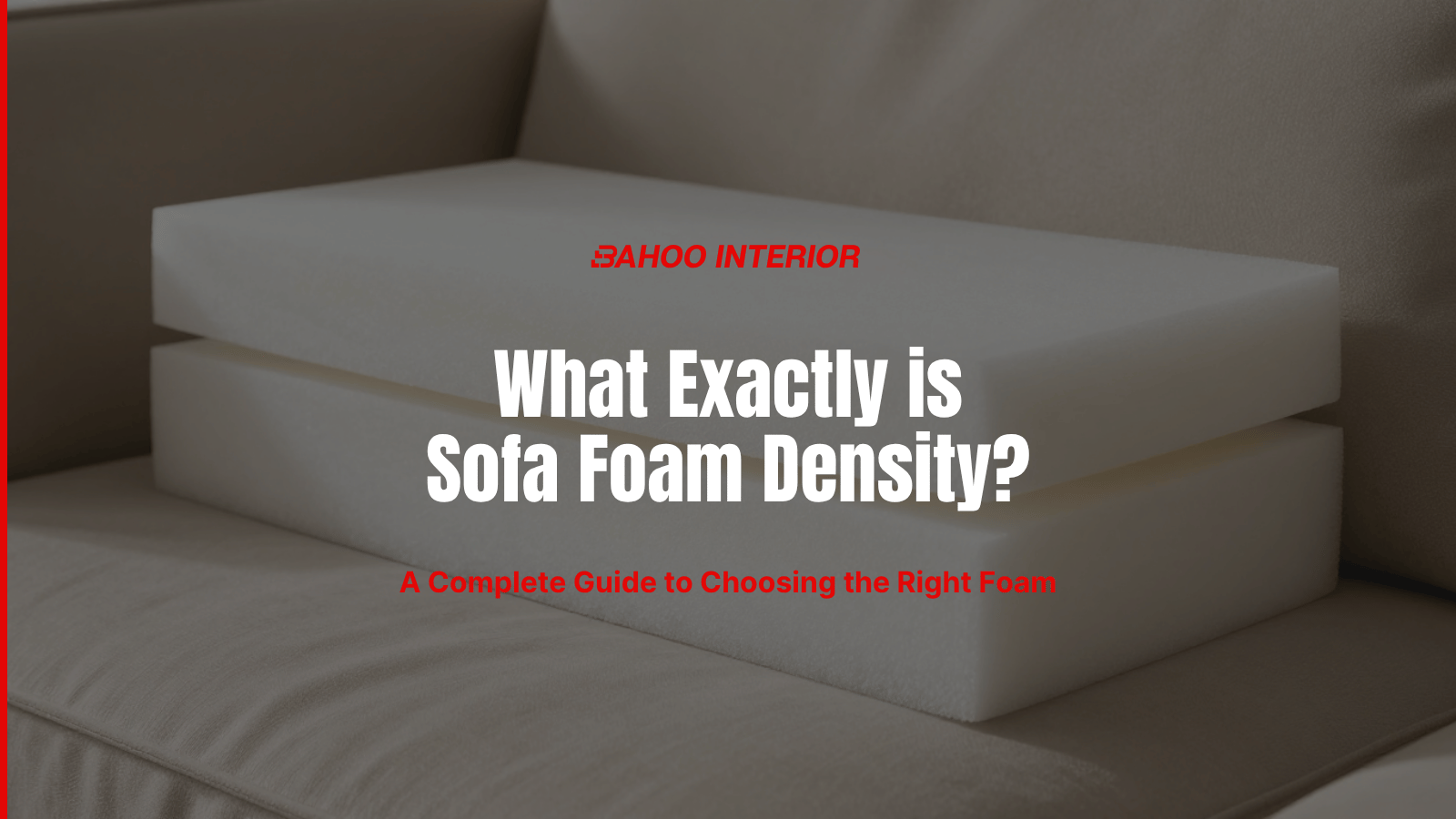
When you invest in a new sofa, you expect it to provide comfort and support for years to come. But what truly dictates how well a sofa holds up, especially in the unique climate of the UAE? The answer lies largely in its foam density. Often misunderstood, foam density is a critical factor that influences both the initial feel and the long-term durability of your sofa cushions.
This article will explain what sofa foam density means, how it differs from firmness, and why making an informed choice is essential for your home in Dubai, Abu Dhabi, or any other Emirate. We will also guide you on what to ask your custom furniture maker to ensure you get a sofa that truly meets your needs.
What Exactly is Sofa Foam Density?
Simply put, foam density refers to how much material is packed into a given volume of foam. It is typically measured in kilograms per cubic metre (kg/m³) or sometimes in pounds per cubic foot (lb/ft³). A higher density rating means there is more foam material in the same space, making the foam heavier and more substantial.
Crucially, density indicates the foam’s quality and its ability to resist sagging and wear. Higher density foam retains its shape and supportive qualities for longer, even with frequent use, due to its superior structural integrity.
Density vs. Firmness: A Crucial Distinction
This is where many people get confused. Density and firmness are two distinct characteristics of foam, though they both contribute to the overall feel and performance of a sofa.
- Density: As discussed, this is about the amount of material per volume. It dictates durability and lifespan. A higher density foam generally lasts longer.
- Firmness (ILD – Indentation Load Deflection): This measures how much force is required to compress the foam by a certain percentage (usually 25%). It dictates the initial feel – how soft or hard the cushion feels when you sit on it. A higher ILD rating means firmer foam.
You can have high-density foam that is soft (low ILD), or firm (high ILD). Conversely, low-density foam may feel firm initially but will quickly break down. For lasting comfort, you need both appropriate density for durability and the right firmness for your preferred feel.
Common Foam Types and Their Densities
Most sofas use polyurethane foam, which comes in various grades. The most common types you will encounter include:
- Standard Polyurethane Foam: Often found in lower-cost furniture, these foams typically have densities ranging from 20-30 kg/m³. They offer a shorter lifespan and are prone to sagging more quickly.
- High-Resilience (HR) Foam: This is a premium type of polyurethane foam, known for its elasticity and ability to bounce back to its original shape. HR foams typically have densities of 35 kg/m³ and above. They offer superior comfort and significantly longer durability. For sofas, especially those seeing daily use, HR foam with a density of 40 kg/m³ or higher is often recommended.
- Memory Foam: While excellent for mattresses due to its body-conforming properties, memory foam is less common for primary sofa cushions as it can retain heat and recover slowly. It is sometimes used as a top layer for added softness.
At Bahoo Interior, we exclusively use 40-density foam for our living-room/modern-sofa-collection/”>custom sofas. This high-resilience foam ensures exceptional durability and long-lasting comfort, a testament to our commitment to quality.
Why Foam Density Matters in the UAE Climate
The unique environmental conditions in the UAE—high humidity, intense heat, and strong sunlight—place extra demands on furniture. Choosing the right foam density is even more critical here.
Humidity and Foam Longevity
The high humidity levels across the Emirates, particularly during summer months, can affect furniture materials. Lower-density foams are more susceptible to moisture absorption, which can accelerate their breakdown, leading to premature softening and sagging. High-density foams, with their more compact cell structure, are more resistant to these effects, helping them maintain their integrity and supportive qualities for longer.
Heat and Sun Exposure
Many homes in Dubai, Abu Dhabi, and other Emirates feature large windows and open layouts, exposing furniture to direct sunlight and high ambient temperatures. UV rays and heat are known to degrade foam over time, causing it to become brittle and lose its elasticity. While no foam is entirely immune, higher-density foams are generally more resilient to these environmental stressors, offering better resistance against premature ageing and breakdown.
Usage Patterns in UAE Homes
From compact apartments in JBR to spacious villas in Arabian Ranches, UAE sofas often see significant use, especially for family gatherings and entertaining during cooler months. High-density foam is better equipped to handle this consistent use, maintaining its shape and comfort without quickly developing indentations.
Choosing the Right Density for Your Sofa
When selecting your custom sofa, consider these factors to determine the ideal foam density and firmness:
- Daily Use vs. Occasional Use: For a sofa that will be used daily by multiple family members, a higher density foam (35 kg/m³ or above, preferably HR foam) is a wise investment for longevity. For a guest room sofa used infrequently, a slightly lower density might suffice, though durability will still be compromised.
- Desired Comfort Level: Do you prefer a soft, sink-in feel, or firm, supportive seating? Remember, density relates to durability, and firmness (ILD) relates to feel. You can achieve a soft feel with high-density foam, ensuring it remains soft and supportive for years.
- Body Weight and Support: Heavier individuals or those who require more robust support will benefit significantly from higher-density foam, which offers better load-bearing capacity and prevents bottoming out.
- Lifespan Expectation: If you view your sofa as a long-term investment, opting for higher-density, high-resilience foam will ensure it remains a comfortable and attractive part of your home for a decade or more.
Here is a general guide to foam densities:
| Density (kg/m³) | Typical Use | Durability | Notes |
|---|---|---|---|
| 20-25 | Light-use cushions, back cushions | Low | Breaks down quickly, not recommended for seat cushions. |
| 25-30 | Occasional-use seat cushions | Moderate | Suitable for guest rooms or secondary seating. |
| 30-35 | Regular-use seat cushions | Good | Standard quality for everyday use. |
| 35-40+ (HR) | High-use, premium seat cushions | Excellent | Highly recommended for main sofas, long-term durability. |
What to Ask Your Custom Sofa Manufacturer
When discussing your custom sofa project, particularly if you are looking to customise a sofa near Marina or anywhere else in the UAE, ensure you ask these crucial questions to understand the quality of foam being offered:
- “What is the density of the foam you use for seat cushions, specifically in kg/m³?” A reputable manufacturer will provide a precise number, not just vague terms like “high quality.”
- “Is it high-resilience (HR) foam?” HR foam offers superior bounce-back and longevity compared to standard polyurethane foam.
- “What is the ILD (firmness rating) of the foam?” This helps you understand the actual feel of the cushion. You can then specify if you prefer a softer or firmer sit.
- “What kind of frame do you use, and is it reinforced?” The frame provides the essential foundation. A strong, reinforced frame prevents wobbling and sagging, supporting the foam effectively.
- “Do you offer a structural warranty on the frame and foam?” A warranty reflects the manufacturer’s confidence in their materials and craftsmanship.
The Bahoo Interior Difference
At Bahoo Interior, we understand that a sofa is a significant investment in your home’s comfort and style. As a custom furniture maker with our own in-house workshop, we control every aspect of the manufacturing process, from selecting premium materials to the final stitch. This means no middlemen, just direct quality and value for you.
We commit to using only the best materials, including 40-density foam for all our sofa cushions. This high-resilience foam, combined with our reinforced solid wood frames, ensures that your custom sofa provides exceptional support and comfort for many years. We back this commitment with a comprehensive structural warranty.
Whether you are furnishing a new apartment, upgrading your villa, or looking to customise a sofa near Marina, we offer a seamless service experience. We provide free home measurement across all seven Emirates, ensuring your custom sofa fits your space perfectly. Our professional team also handles free installation, so you can enjoy your new furniture without any hassle. Choose Bahoo Interior for a custom sofa that combines superior craftsmanship with lasting comfort.
Frequently Asked Questions
What is sofa foam density?
Sofa foam density measures the amount of material packed into a foam volume, typically in kilograms per cubic metre (kg/m³). It indicates the foam's quality and its ability to resist sagging over time.
How does foam density differ from firmness?
Density relates to the foam's durability and lifespan, while firmness (ILD) refers to how soft or hard the foam feels when you sit on it. You can have high-density foam that is either soft or firm.
What foam density is best for a sofa in the UAE?
For sofas in the UAE, high-resilience (HR) foam with a density of 35 kg/m³ or higher, such as 40-density foam, is recommended. This ensures superior durability and comfort, especially given the climate and usage patterns.
How does the UAE climate affect sofa foam?
High humidity, intense heat, and strong sunlight in the UAE can degrade lower-density foams faster, leading to premature sagging and loss of elasticity. Higher-density foams are more resilient to these environmental stressors.
What should I ask a custom sofa maker about foam?
Ask for the foam's density in kg/m³, if it is high-resilience (HR) foam, its ILD (firmness rating), details about the frame construction, and if a structural warranty is provided.